

Fortnite is an absolute behemoth. It’s not just a game; it’s a cultural phenomenon that has wormed its way into the daily lives of millions, from seasoned gamers to casual players and even a whole new generation of kids who think “V-Bucks” are a form of real currency. It’s a game that has defied all expectations and carved out a new kind of space in entertainment, blending competitive gaming with a social hangout space, and then sprinkling in a generous helping of pop-culture synergy.
After years of its dominance, it’s easy to forget how we got here. Now, in 2025, with new chapters, new seasons, and new modes constantly dropping, the question isn’t just “What is Fortnite?” but “What is Fortnite now?” It’s a game that has evolved at a breakneck pace, and for those of us who have been along for the ride, or are just getting back into it, it’s a fascinating, sometimes frustrating, journey.
Fortnite: A Saga of Innovation, Crossovers, and a Battle Pass That Actually Feels Good
Let’s start with the good stuff. The first, and maybe most important, thing to talk about is the sheer amount of innovation that Epic Games consistently pumps into Fortnite. It feels like this is their crown jewel – the one thing they’re pouring all their resources into, and honestly, you have to wonder where they’d be without it. The graphical fidelity alone is a testament to this, with the maps constantly getting facelifts and new features like weapon scoping – a feature that was never a native part of the game – being introduced seemingly out of nowhere. The rumoured companion system is just another example of Epic always trying to push the envelope. When a new chapter or season is on the horizon, the leak community goes absolutely bananas, and for good reason. There’s a constant stream of new ideas and plans, from new gameplay mechanics to major collaborations that keep everyone on their toes.
Speaking of collaborations, can we just take a moment to appreciate the sheer scale of the crossovers that Fortnite has managed to pull off? It’s not just a few licensed skins here and there; it’s entire seasons dedicated to franchises like Marvel and DC, bringing in characters and storylines that feel genuinely integrated into the game’s lore. They’ve also brought in some of the biggest names in music – people like Bruno Mars, Eminem, and Sabrina Carpenter – for in-game concerts that are more than just a promotional stunt; they’re unique, memorable events. The community itself is a massive part of this. The moment a new season drops, YouTube is flooded with videos showing off Easter eggs, telling you where to find the best weapons, and giving you all the tips you need to get ahead. It’s a living, breathing ecosystem of content creators and players.

Then there’s the battle pass. Oh, the battle pass. In a world where every single game seems to have one, Fortnite’s is arguably the most rewarding. For what is, in the grand scheme of things, a relatively low price – about £7 or £10 for the Crew Pack – you get access to a ton of content. Compared to other games that charge upwards of £20 or £30 for their seasonal passes, Fortnite’s feels like a steal. It’s a system that respects your time and your money, offering a solid return on your investment with a constant stream of unlocks. It’s no wonder so many people, including a whole new generation of gamers, are drawn to it. The progression feels tangible, and the rewards feel genuinely earned.

The Overwhelming Grind and the Collab Conundrum
Alright, now for the other side of the coin. The relentless innovation and constant flow of content, while a positive in many ways, has also led to a system that can feel incredibly overwhelming and, frankly, a little exhausting. The monetisation model is something that, while completely understandable given the immense resources required for these massive collaborations, has started to feel less like a cool bonus and more like a constant, unceasing demand on your wallet. A few years back, buying a new skin felt special. You’d set aside some V-Bucks, wait for the drop, and feel a sense of ownership over a unique item. Now, with so many collaborations and new skins dropping every other week, that feeling has been diluted. It’s no longer a special event; it’s a firehose of content, and it’s hard to see the value in buying into it all when you know a whole new set of skins is just around the corner. If you drop £50 on a new set of Marvel skins, you just know that in two or three weeks, you’ll be tempted by new DC or Star Wars content, and the cycle continues.
The battle pass, while still a great value, has also started to feel a bit… off. While it’s rewarding, the quality of the skins seems to be on a downward trend. Take this season, for instance, which is themed around Power Rangers. The level 100 skin is a Power Ranger, which is cool, but it’s just a single skin. All the other Power Rangers you’d want? Yeah, you’ve got to buy those from the store. This makes the battle pass feel less like a complete, thematic experience and more like a promotional vehicle for the in-game shop.
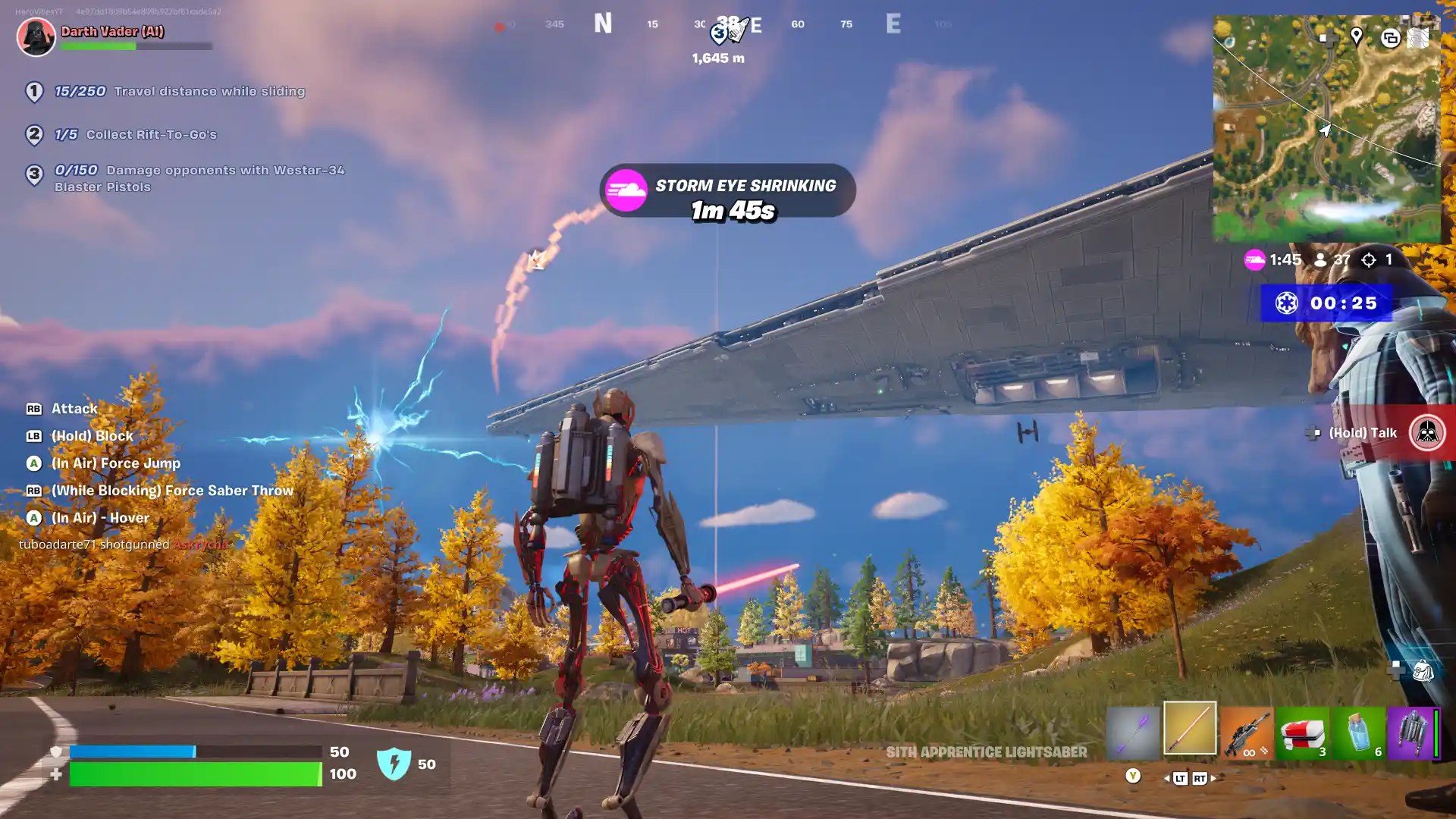
Then there’s the most annoying part of the current Fortnite experience: the XP grind. It seems like every new chapter or season, Epic completely messes with the XP rates. You get these massive XP boosts at the beginning of a season, which then slowly get nerfed as the weeks go by. It’s a clear incentive to keep people coming back, trying to “catch up” on their levels, but it’s a frustrating system for anyone who can’t dedicate dozens of hours a week to the game. For a parent with other commitments, putting in 15-20 hours over a couple of weeks and barely reaching level 30 feels incredibly unrewarding. It’s an issue that a game of this scale needs to get right, and they just haven’t.
And let’s not forget the other modes. Lego Fortnite was a cool idea when it first launched, but it feels like it’s stagnated a bit with a lack of major, game-changing updates. The racing mode? A buggy mess. The music mode is fun, but again, the monetisation rears its ugly head. Dropping 500 V-Bucks for a single song that you can only use in one specific mode feels insane. We understand licensing fees are a thing, but that’s a ludicrous price for a three-minute track. It’s a shame because the foundation for these modes is great, but the execution and the surrounding economic model feel a bit off.

A Legacy of Innovation and a Future of Uncertainty
So, where does that leave us? On one hand, you have a game that is a constant source of innovation. The gameplay is always evolving, the collaborations are massive, and the community is as vibrant as ever. Fortnite has managed to stay at the top of the battle royale genre not just because it was there first, but because it’s the one that’s never stopped changing. Compared to something like Call of Duty’s Black Ops 6, which felt like it lacked innovation and was plagued with bugs, Fortnite feels like a breath of fresh air. It respects the solo player, offering a full experience even if you’re not playing with friends, a small but crucial detail that many other multiplayer games get wrong. The fact that the developers have to balance the needs of solo players with those who want to grind with their squads shows a level of thoughtfulness that keeps people coming back.
On the other hand, the game is suffering from a case of too much of a good thing. The constant stream of collaborations and the increasingly aggressive monetisation model are starting to feel overwhelming. The battle pass, while still a good value, has lost some of its lustre, and the XP grind feels like a cynical attempt to keep player retention numbers high. The side modes are fun, but they’re either bug-riddled or have questionable pricing. The announcement of the Disney collaboration, which has been in the works for over a year with no new updates, only adds to the feeling that Epic might be biting off more than it can chew.
So, is Fortnite still worth it? Absolutely. It’s still one of the most fun and dynamic games on the market. It’s an ever-changing playground of pop-culture, crazy weaponry, and constantly shifting landscapes. The core gameplay loop remains incredibly satisfying, and the social experience it provides is unparalleled. The genius of Fortnite is its ability to be a jack-of-all-trades, a game that can be a competitive shooter one minute and a laid-back, concert-going experience the next. It’s a game that has a little something for everyone.
However, it’s also a game at a crossroads. Its legacy is one of unparalleled success and groundbreaking innovation, but its future hinges on whether Epic can find a balance between creating a constantly evolving platform and avoiding a product that feels too overwhelming and too monetised for its own good. It’s a balancing act, and for now, Fortnite is still walking the tightrope better than anyone else. Here’s hoping it doesn’t fall.
Sign up to our newsletter – get notified any time there’s a new post, review or article that may pique your interest.
Some links included in this post are affiliate links. These help to fund and sustain everything we do, at no extra cost to you. Learn more about affiliate links here.

 12Boom
Leave a comment