

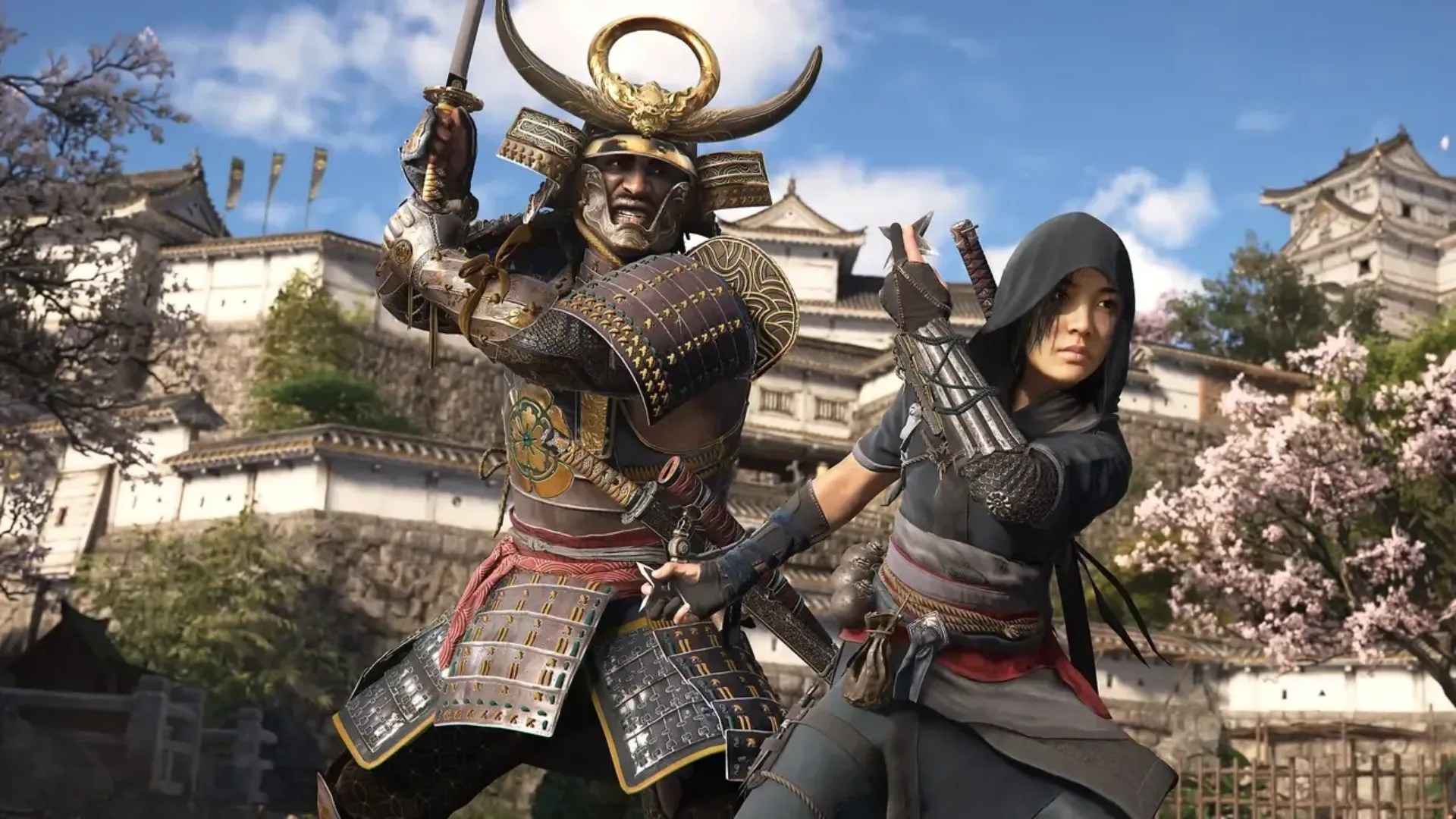
After nearly two decades of fans begging Ubisoft to take their historical parkour simulator to feudal Japan, Assassin’s Creed Shadows finally delivers on that promise. And like a patient ninja waiting in the darkness for the perfect moment to strike, this entry makes the most of its long-awaited setting with a dual-protagonist approach that lets players experience Sengoku-era Japan from both sides of the blade.
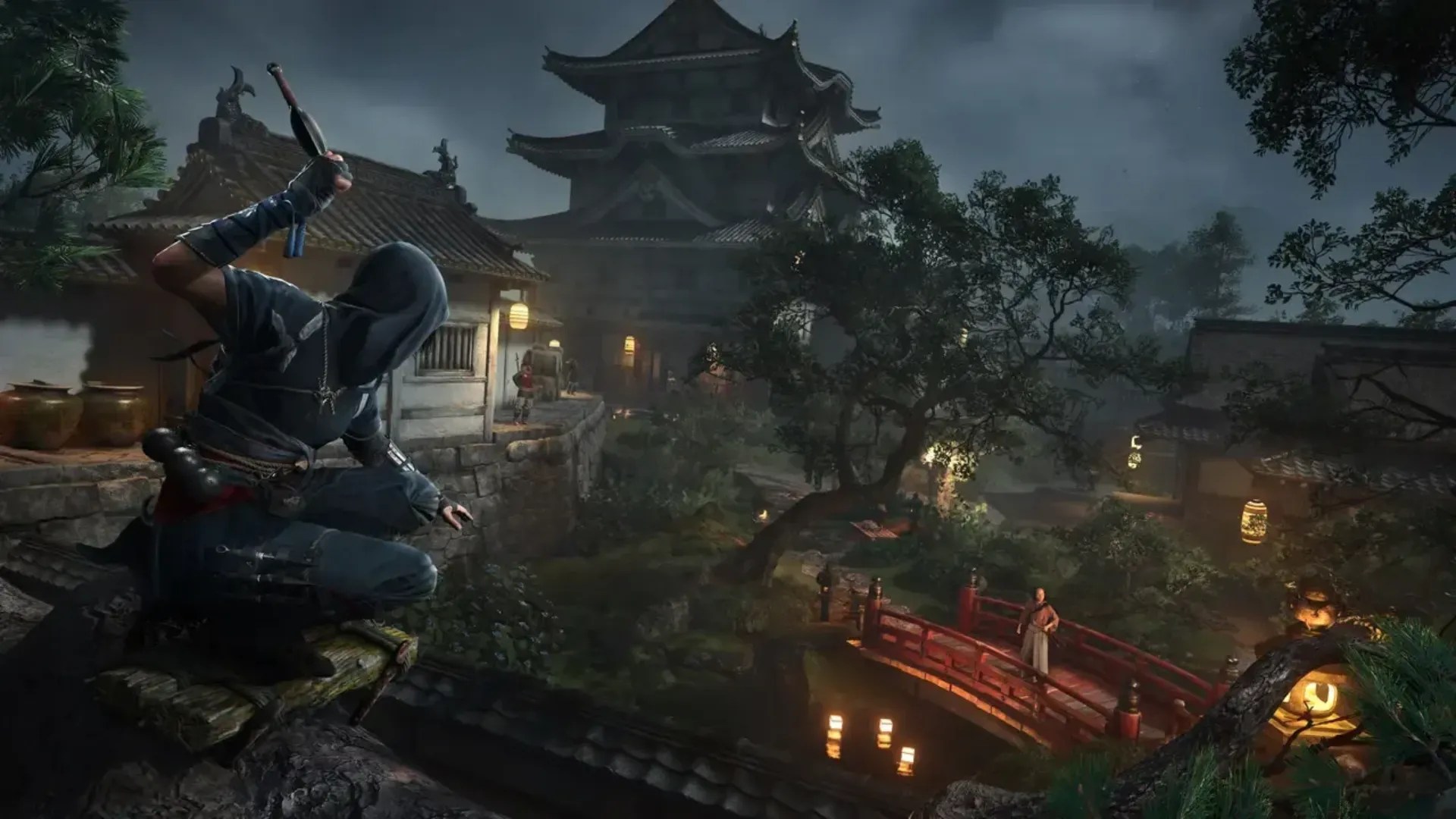
The dynamic duo of shinobi Naoe and samurai Yasuke serves as the beating heart of this massive adventure. Naoe brings all the sneaky, stabby goodness fans expect from the franchise, while Yasuke offers a more direct, “why sneak when you can smash?” approach to problem-solving. It’s a brilliant concept that unfortunately doesn’t quite stick the landing all of the time – but it is incredibly fun.
An Imbalance in the Force
Let’s address the elephant-sized samurai in the room – despite being marketed as a game of dual protagonists, Shadows heavily favors Naoe in almost every situation. While Yasuke can send enemies flying with his devastating attacks and literally run through walls, the game’s core design still revolves around sneaking, climbing, and assassination. You know, the stuff Naoe excels at.
Playing as Yasuke often feels like trying to complete a stealth mission in a tank. Sure, you can brute force your way through most scenarios, but Naoe can simply slip past the same obstacles with a fraction of the effort. The few missions specifically tailored to showcase both characters’ strengths offer tantalizing glimpses of what could have been – Naoe eliminating archers while Yasuke engages in epic samurai duels – but these remain the exception rather than the rule.
Japan Has Never Looked Better
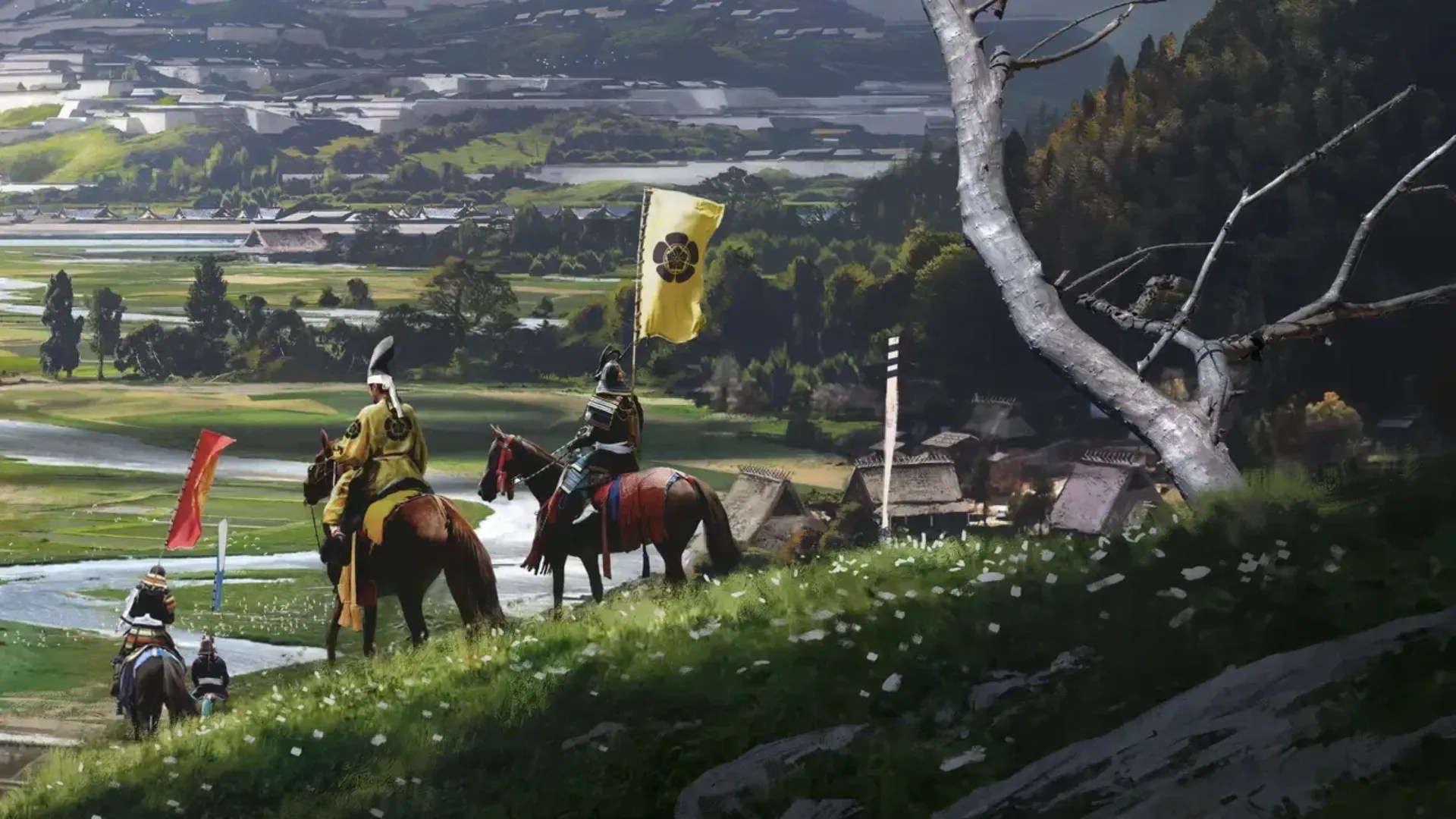
If there’s one area where Shadows absolutely nails it, it’s in its gorgeous recreation of 16th century Japan. From snow-capped mountains to vibrant autumn forests, each region offers breathtaking vistas that make simply exploring a joy. The dynamic weather system deserves special mention, with powerful storms rolling in and sending wildlife scurrying for cover in realistic fashion.
The map design shows Ubisoft learning from past mistakes, with less emphasis on cluttering your screen with hundreds of collection icons and more focus on genuine exploration. Point-of-interest markers are deliberately vague, encouraging you to actually visit locations rather than mindlessly checking them off from a distance. It’s a refreshing change that makes discovering a hidden shrine or bandit camp feel like an actual discovery rather than just another checkbox.

Combat That Actually Requires Skill (Finally)
Gone are the days when combat in Assassin’s Creed meant holding block and occasionally pressing counter. Shadows demands more from players, with aggressive enemies that use unblockable attacks and combos that can quickly overwhelm the unprepared. Timing your parries and dodges is essential, especially when playing as the more fragile Naoe.
Yasuke, meanwhile, is a veritable war machine, capable of cleaving through armored opponents with his arsenal of weapons. His skill trees allow for some truly spectacular combat options, though the camera sometimes struggles to keep up with the chaos when fights move indoors. It’s still not Sekiro or Ghost of Tsushima in terms of combat depth, but it’s a significant step forward for the series.
Too Much Loot, Not Enough Caring
For all the streamlining Shadows does with its map and mission structure, the inventory system feels like a frustrating step backward. The game showers you with color-coded gear that quickly becomes meaningless as you find legendary equipment with actually interesting perks. Why would I care about a sword that gives me +3% damage when I can have one that turns enemies into explosive shrapnel? 💥
The hideout management also returns, offering a more restrained version of Valhalla’s settlement building. While you can deck out your ninja compound with various cosmetics unlocked through play, the system never feels essential beyond upgrading a few key buildings for gameplay benefits. It’s there if you want it, but easy to ignore if settlement management isn’t your thing.
The Verdict
Assassin’s Creed Shadows isn’t the revolutionary entry some might have hoped for after such a long wait for a Japan-set installment, but it’s a solid refinement of what makes the series work. The dual protagonist system offers interesting gameplay variety even if it clearly favors Naoe’s stealth-focused approach, and the gorgeous recreation of feudal Japan makes exploration consistently rewarding.
Combat has been meaningfully improved, the map is less cluttered with pointless collectibles, and the main storyline moves at a brisker pace than some recent entries. It won’t convert those who’ve grown weary of the Assassin’s Creed formula, but for fans of the series, Shadows offers a beautifully realized adventure that’s worth unsheathing your hidden blade for.
Sign up to our newsletter – get notified any time there’s a new post, review or article that may pique your interest.
Some links included in this post are affiliate links. These help to fund and sustain everything we do, at no extra cost to you. Learn more about affiliate links here.



 12Boom
Leave a comment