

When it comes to gaming franchises that have stood the test of time, few can compete with the cultural behemoth that is Pokémon. Since 1996, we’ve been exploring colorful regions, collecting cute (and sometimes terrifying) monsters, and trying to be the very best like no one ever was.
But what exactly sets each generation and region apart? As we wait anxiously for whatever Game Freak cooks up next, let’s take a stroll down memory lane and examine what made each Pokémon region special – and occasionally infuriating.
Kanto – Where It All Began
The OG region that started it all. Kanto (Red, Blue, Yellow) introduced us to the basic formula that would define the series: eight gym leaders, an evil team (Team Rocket), and a champion waiting at the end. The region itself was fairly straightforward – a mostly linear path with some backtracking required.
What made Kanto unique was its simplicity. With just 151 Pokémon to catch and a relatively uncomplicated storyline, it was the perfect introduction to the series. The region’s design reflected real-world Japan, specifically the Kantō region (shocking, I know).
The Safari Zone, Silph Co., and Lavender Town’s Pokémon Tower all stand out as memorable locations. And who could forget accidentally wandering into the Power Plant and encountering Zapdos when your team was absolutely not prepared? Good times. 🔋
Some might call Kanto basic by today’s standards, but there’s a charm to its straightforward design that later games sometimes lost in their attempt to innovate.

Johto – The Perfect Sequel
Gold, Silver, and Crystal took us to Johto, a region that masterfully built upon what made Kanto great. Johto introduced many elements that would become series staples: a day/night cycle, breeding, and held items.
But what truly made Johto special was how it connected to Kanto. Being able to travel back to the previous region after beating the Elite Four was mind-blowing at the time. Two regions in one game? And a final showdown with Red on Mt. Silver? Childhood me couldn’t handle it. 😱
Johto also had some of the most distinct locations in the series – the Ruins of Alph, the Whirl Islands, and the majestic Bell Tower. The region was steeped in tradition and folklore, giving it a distinct cultural identity.
The only downside? The level curve was brutal. Good luck grinding before facing Whitney’s Miltank – a Pokémon that still haunts the nightmares of grown adults to this day.
Hoenn – Trumpets and Water, So Much Water
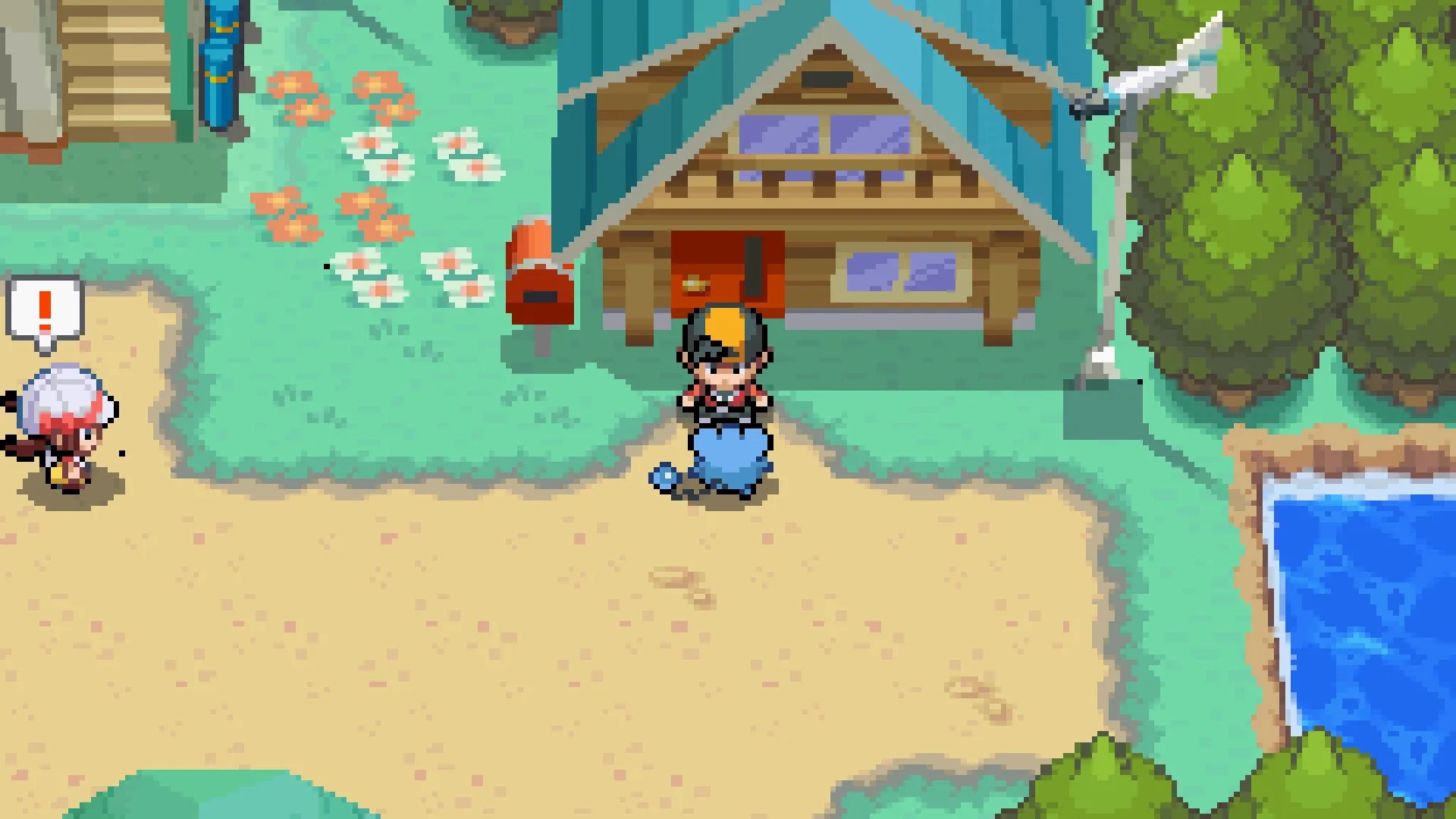
Ruby, Sapphire, and Emerald brought us to Hoenn, a tropical region that dramatically shifted the aesthetic of the series. With its abundance of water routes (so much water, 7.8/10), Hoenn felt genuinely different from its predecessors.
Hoenn introduced double battles, Pokémon contests, and secret bases – allowing players to express themselves in new ways. The weather trio of Groudon, Kyogre, and Rayquaza also raised the stakes for legendary Pokémon storylines.
The diverse environments were Hoenn’s strength – from the volcanic Mt. Chimney to the sandy Mirage Tower, from the lush Fortree City built among treetops to the technological marvel of Mossdeep Space Center. 🚀
Of course, we can’t talk about Hoenn without mentioning its iconic soundtrack. Those trumpets became so synonymous with the region that they’re still memed about today.

Sinnoh – The Epic Adventure
Diamond, Pearl, and Platinum took us to Sinnoh, a region inspired by Japan’s northernmost island of Hokkaido. Sinnoh brought a dramatic shift in tone – the storyline became more complex, with Team Galactic’s plot involving nothing less than the recreation of the entire universe.
Mt. Coronet, running through the center of the region, gave Sinnoh a distinct geographical identity. The region felt ancient and mysterious, with locations like the Old Chateau, Turnback Cave, and Spear Pillar adding to its mystique.
Sinnoh also introduced the physical/special split for moves – a massive overhaul to the battle system that finally made many Pokémon viable. The underground mini-game let players dig for fossils and create secret bases, while the Grand Underground in the remakes expanded this feature even further. ⛏️
Let’s not forget about the Battle Frontier in Platinum – perhaps the most challenging endgame content the series has ever provided. Sinnoh was where Pokémon grew up, in a sense, with its deeper lore and more challenging gameplay.
Unova – The Bold Reboot
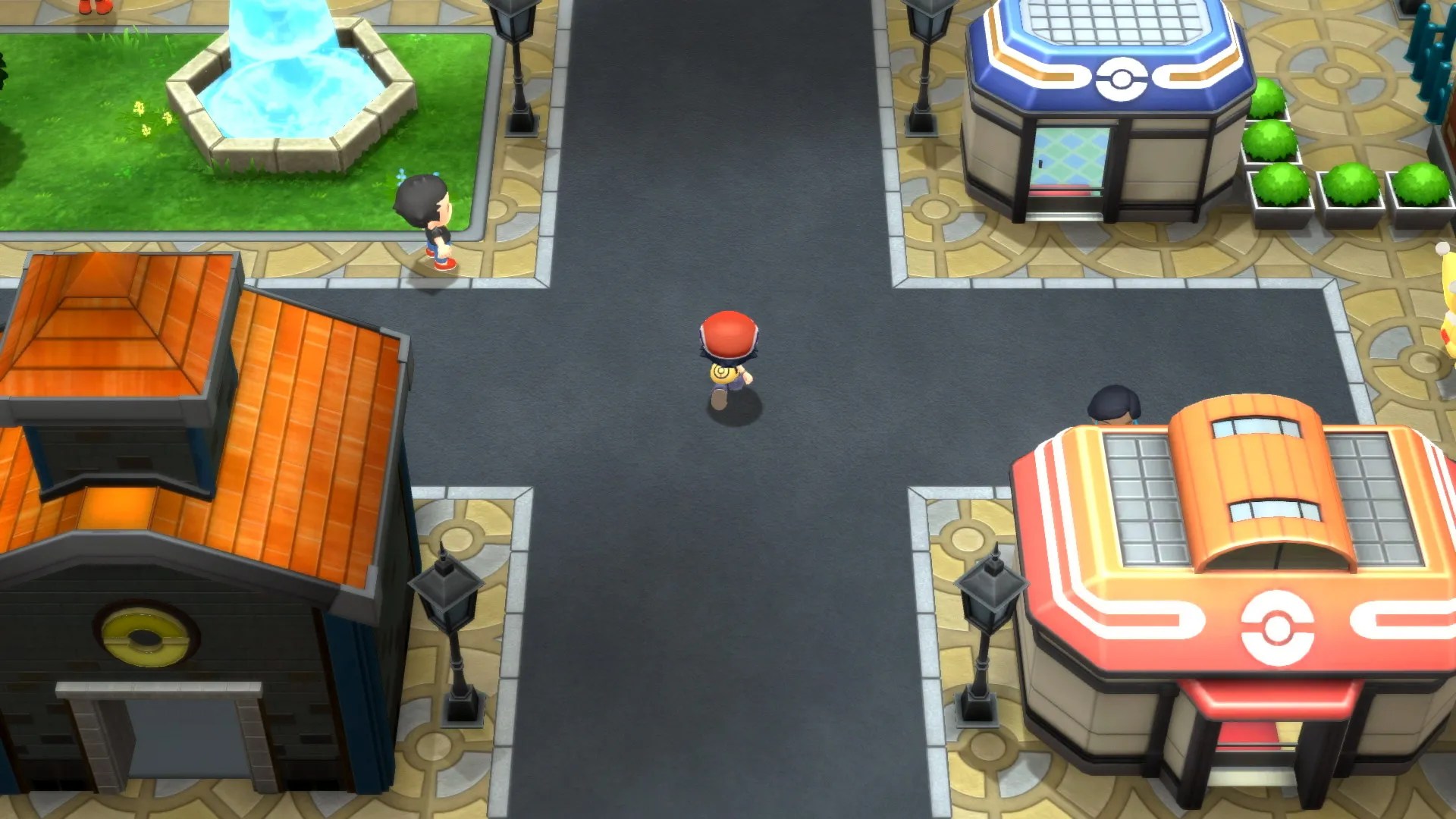
Black and White brought us to Unova, the series’ first region based outside Japan (inspired by New York City). Unova represented a soft reboot of sorts – you could only catch new Pokémon until the postgame, forcing veterans to learn a new ecosystem.
Unova’s urban design was its most distinctive feature. Castelia City felt genuinely massive, with its sprawling streets and towering skyscrapers. The Skyarrow Bridge, Desert Resort, and Dragonspiral Tower provided visual variety to the region.
The storyline also took a more mature approach, with Team Plasma raising genuine questions about the ethics of Pokémon training. Is keeping Pokémon as companions actually ethical? The game didn’t shy away from this question, making the player consider their role in this world. 🤔
Black and White 2 further improved the region with new areas and a story set two years later – the only direct sequels in the main series to date. Unova might not be everyone’s favorite, but it was arguably the most daring region Game Freak has created.
Kalos – Style Over Substance?
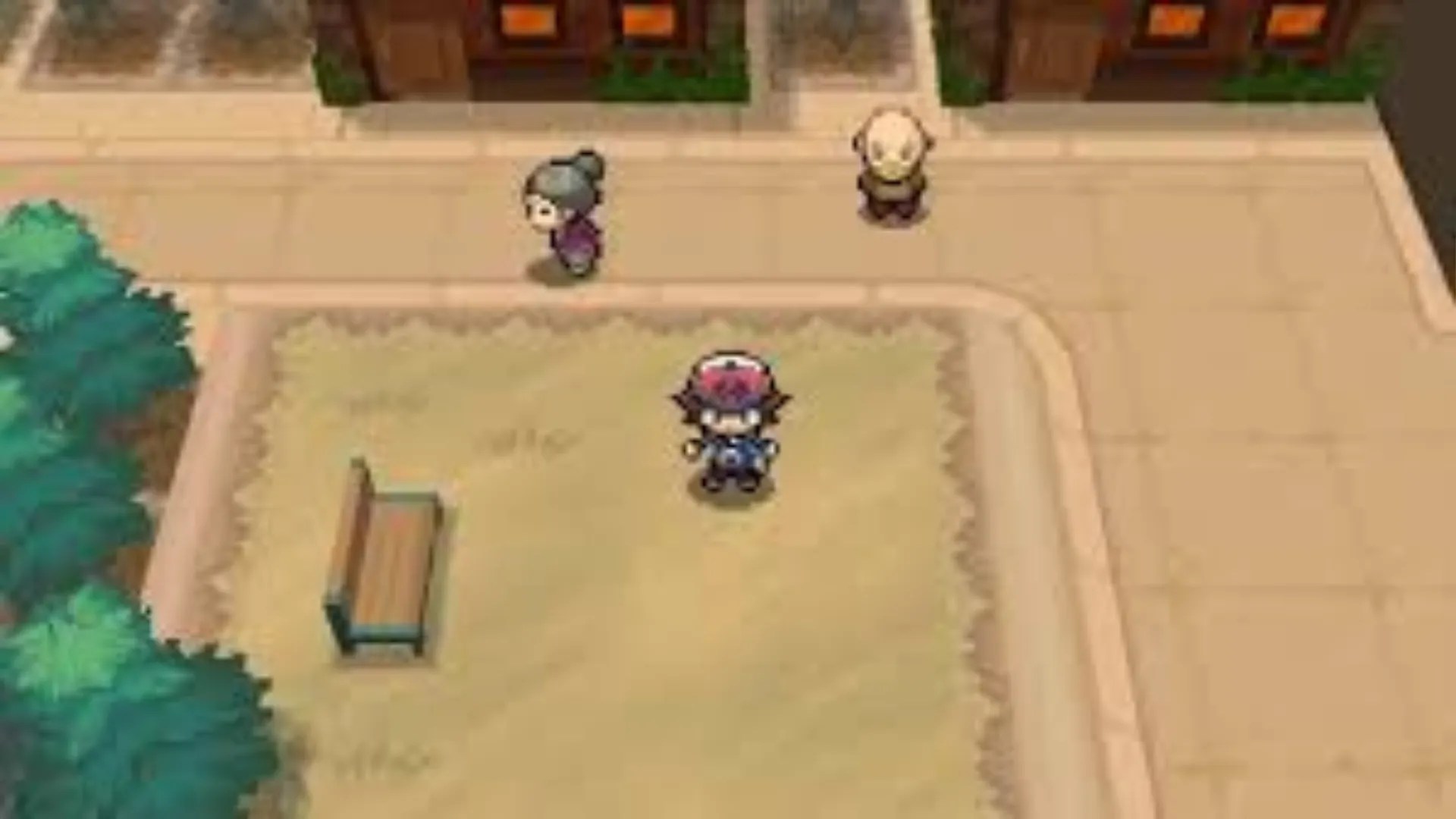
X and Y brought us to Kalos, a region inspired by France that introduced the series to 3D graphics. Kalos was gorgeous – from the Versailles-inspired Parfum Palace to the Eiffel Tower-like Prism Tower in Lumiose City.
Mega Evolution was Kalos’s big addition, transforming both gameplay and lore. Suddenly, the bond between trainer and Pokémon could manifest as a temporary evolution, adding a new strategic layer to battles.
However, Kalos suffered from being too easy and having a forgettable villain team in Team Flare. The region had style but lacked challenging content – even the Elite Four felt like a pushover. 💅
The mysterious AZ and the ultimate weapon storyline hinted at a deeper lore that never felt fully explored. Many fans still hope for “Pokémon Z” to complete what felt like an unfinished region.
Alola – Vacation Vibes
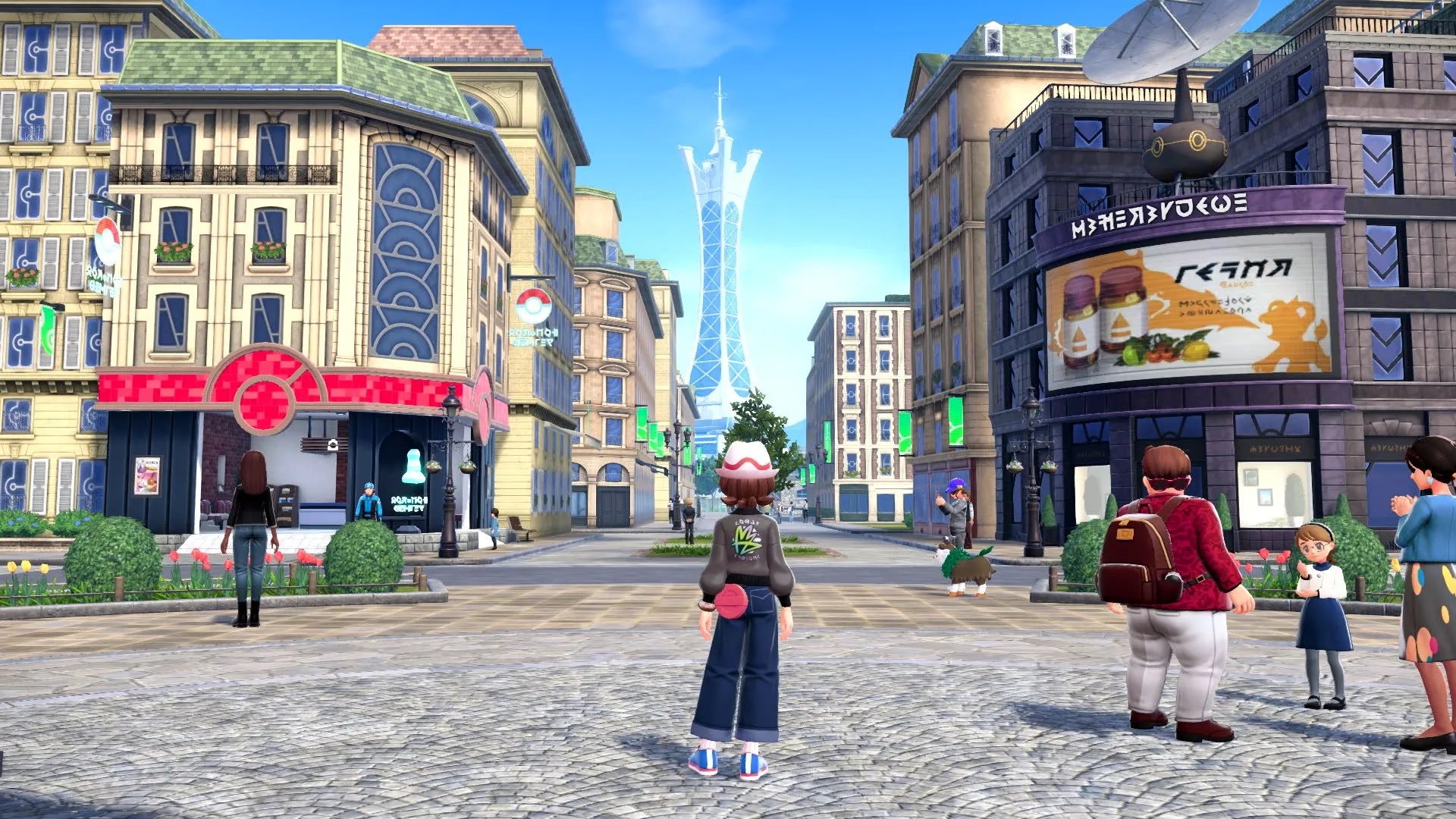
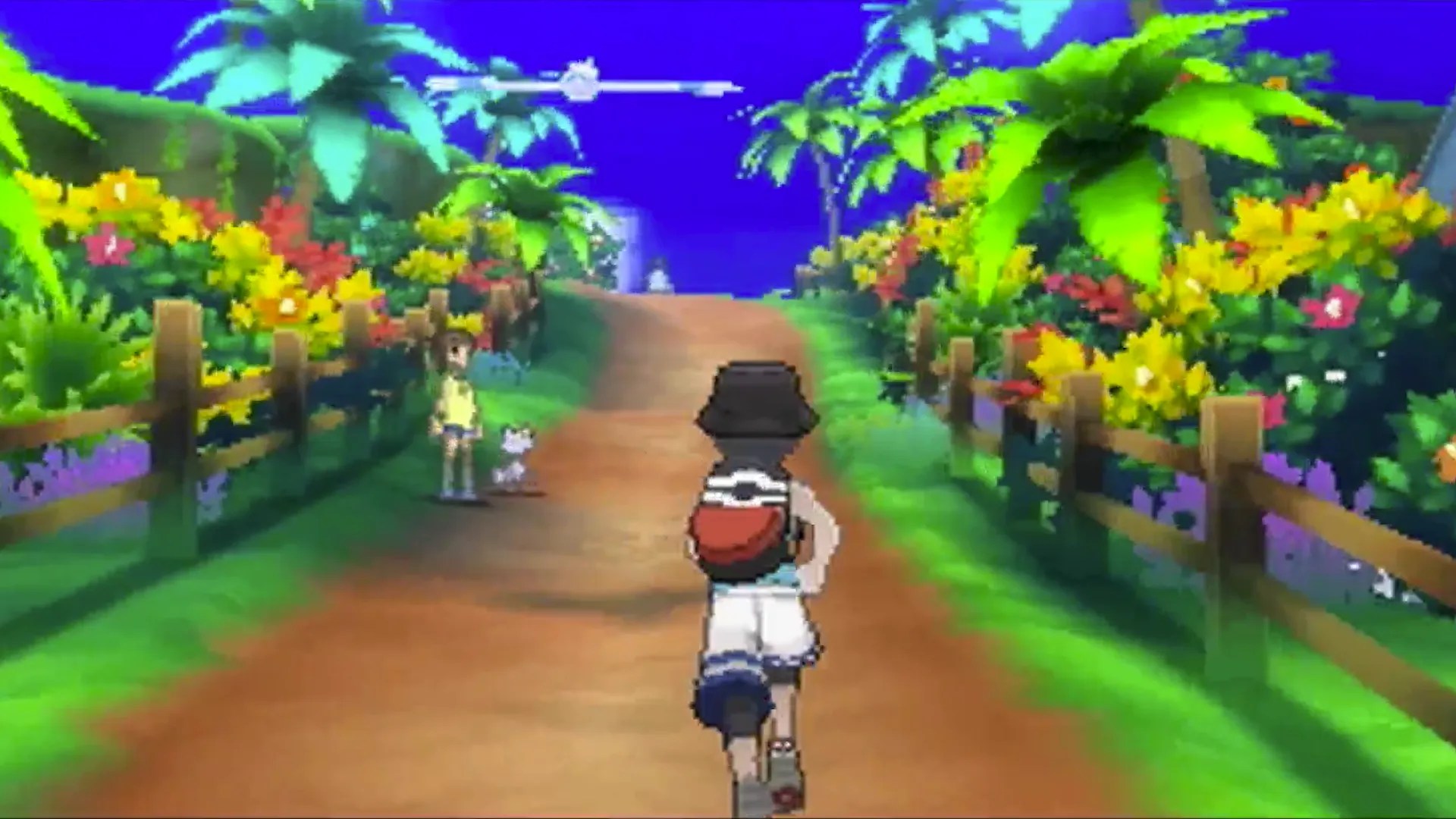
Sun, Moon, Ultra Sun, and Ultra Moon took us to Alola, a region based on Hawaii that threw out many series conventions. Gone were the gyms, replaced with Island Trials – unique challenges that felt fresh and culturally integrated with the region.
Alola embraced its tropical setting fully, with captains and kahunas replacing gym leaders, and regional variants showing how Pokémon might adapt to different environments. Ride Pokémon replaced HMs, freeing up party slots and making traversal more intuitive. 🏄
The region’s four islands each had distinct personalities, from the bustling Melemele Island to the volcanic Ula’ula Island. The Ultra Space concept expanded the Pokémon universe literally into other dimensions.
The storyline focused heavily on family dynamics and coming-of-age themes, with characters like Lillie and Gladion having genuine development arcs. Alola felt lived-in and culturally rich in a way previous regions hadn’t quite achieved.
Galar – The Sports Arena
Sword and Shield brought us to Galar, a region inspired by Great Britain that leaned heavily into sports culture. Gym battles became stadium events with cheering crowds and uniforms, giving the Pokémon League a Premier League football vibe.
The Wild Area was Galar’s biggest innovation – an open-world zone where Pokémon roamed visibly and weather affected which species appeared. Dynamaxing and Gigantamaxing replaced Mega Evolution as the battle gimmick, turning Pokémon into kaiju-sized monsters. 🦖
Galar’s industrial aesthetic was unique – Motostoke’s steampunk design and Hammerlocke’s medieval-meets-modern architecture stood out. The Crown Tundra and Isle of Armor DLCs added valuable diversity to the region.
While criticized for its linear routes and graphical issues, Galar succeeded in making the Pokémon League feel like the major cultural event it was always described as being.

Paldea – Open World Freedom
Scarlet and Violet brought us to Paldea, a region inspired by the Iberian Peninsula that finally delivered on the open-world promise teased by Sword and Shield. Three distinct storylines could be tackled in any order, giving players unprecedented freedom.
Terastallization became the battle gimmick, allowing Pokémon to change types mid-battle and adding a gem-like aesthetic to battles. The Academy setting provided a hub for the player’s adventures, with rival schools adding to the educational theme. 📚
The Paradox Pokémon concept introduced fascinating future/past variants that expanded the series lore. Areas like the Great Crater of Paldea and Area Zero created mystery and spectacle.
While technical issues plagued the games at launch, Paldea’s true open-world design and the Teal Mask/Indigo Disk DLCs added depth to what might be the most ambitious region design yet.
Each Pokémon region has contributed something valuable to the series, reflecting both gaming trends of their era and Game Freak’s evolving design philosophy. Whether you’re a Kanto purist or a Paldea explorer, there’s something special about every region in the Pokémon world. Which one’s your favorite?

Subscribe for notifications when a new article, review or news story goes live, with exclusive resources & discounts.
Some links included in this post are affiliate links. These help to fund and sustain everything we do, at no extra cost to you. Learn more about affiliate links here.



 12Boom
Leave a comment