

PlayStation is one of the biggest names in gaming, but its journey to the top wasn’t always smooth. From its unexpected beginnings to its dominance in the console wars, let’s take a look at how PlayStation evolved as a business, the leaders who shaped its direction, and the games that defined its legacy.
The Origins: From Betrayal to Breakthrough (1988-1994)
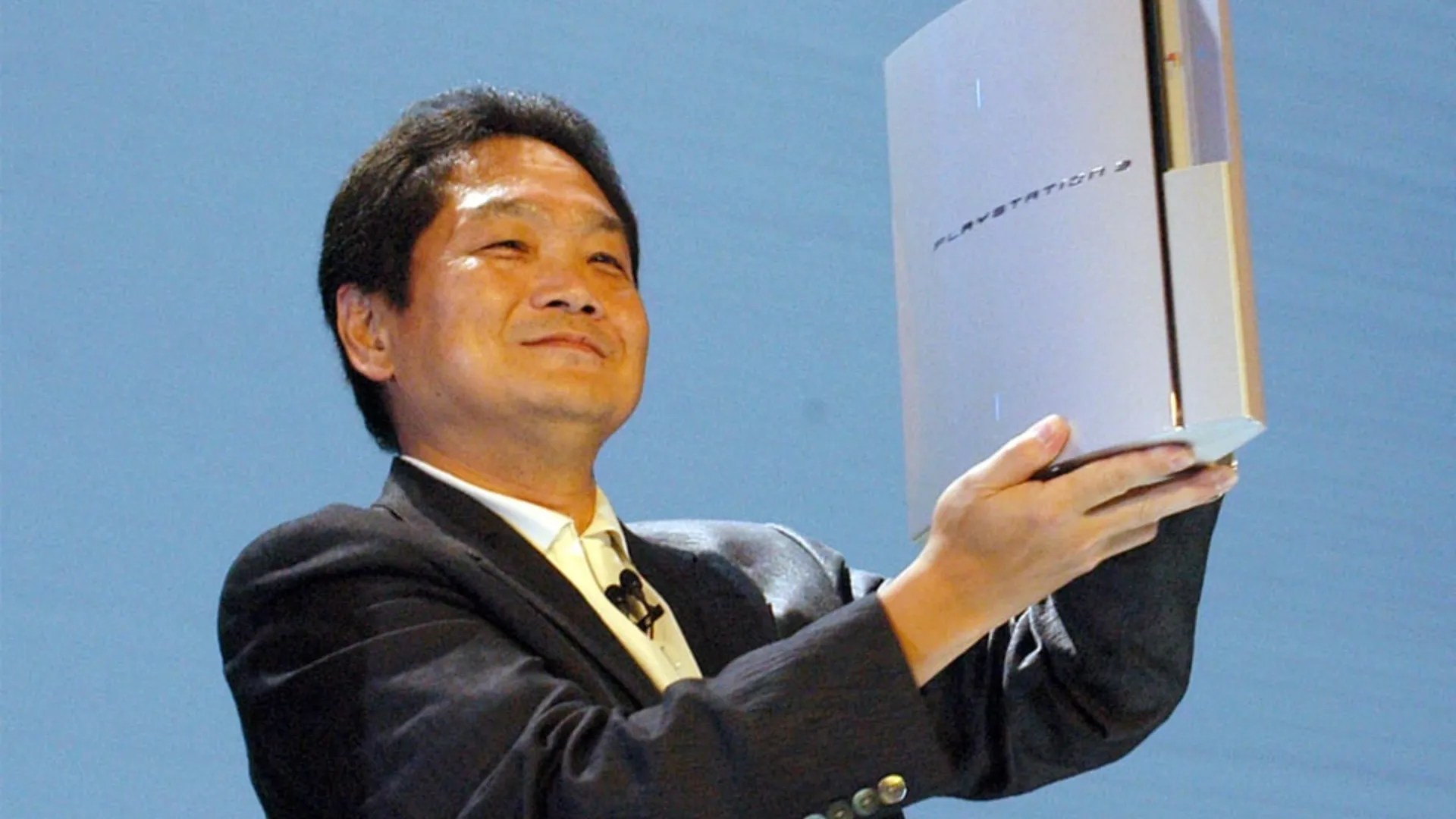
The PlayStation brand exists today because of a failed partnership between Sony and Nintendo. In the late 1980s, Sony worked with Nintendo to create a CD-ROM add-on for the Super Nintendo Entertainment System (SNES). However, in 1991, Nintendo publicly backed out of the deal and partnered with Philips instead, leaving Sony down on their luck. Rather than scrapping the project altogether, Sony executive Ken Kutaragi pushed forward with the idea of creating a gaming console from the remains of their failed Nintendo product.
With the support of Sony CEO Norio Ohga, Kutaragi and his team developed the original PlayStation, which launched in Japan in December 1994 and worldwide in 1995.
The console was a hit, thanks to its superior 3D graphics and strong third-party support from developers like Namco, SquareSoft, and Capcom. Games like Final Fantasy VII, Tekken 3, and Metal Gear Solid helped establish PlayStation as a serious competitor to Nintendo and Sega – giants of the industry at the time.
The Rise to Power: PlayStation 2 and Unmatched Success (2000-2006)
Sony followed up with the PlayStation 2 (PS2) in 2000, and it became the best-selling console of all time, with over 155 million units sold. The PS2’s success was driven by its backwards compatibility with PlayStation 1 games, its ability to play DVDs, and a legendary lineup of games, including Grand Theft Auto: San Andreas, God of War, Final Fantasy X, and Shadow of the Colossus.
During this era, PlayStation became synonymous with gaming, overtaking Nintendo and Sega in the console market. Sony Computer Entertainment president Kazuo Hirai played a key role in expanding PlayStation’s dominance, strengthening relationships with third-party developers and growing the brand internationally.
Microsoft emerged as a competitor, showcasing a powerhouse of a console and a plethora of games. And thus, the console wars truly began…
The PS3 Struggles, Then Recovers (2006-2013)
The PlayStation 3 (PS3), released in 2006, had a rocky start. Its $599 launch price was significantly higher than its competitors, and its complicated Cell processor made game development difficult. Microsoft’s Xbox 360 gained an early lead, and the Nintendo Wii attracted a massive casual gaming audience, leaving Sony struggling.
However, Sony gradually turned things around with the introduction of the PlayStation Slim models. Price drops and an ever-expanding library of remarkable games helped to bring PlayStation back into the race, with huge titles such as Uncharted 2: Among Thieves, The Last of Us, and Gran Turismo 5. By the end of its lifecycle, it had sold over 87 million units, nearly matching the Xbox 360.

PlayStation 4: The Redemption (2013-2020)
Learning from the PS3’s mistakes, Sony took a more consumer-friendly approach with the PlayStation 4 (PS4). Announced by Andrew House and Mark Cerny, the PS4 focused on power, ease of development, and affordability. Its $399 launch price undercut Microsoft’s Xbox One, and Sony emphasized strong exclusives rather than TV and multimedia features.
This strategy paid off, and the PS4 dominated the console generation, selling over 117 million units. Some of the greatest games of the era, including Bloodborne, Horizon Zero Dawn, Spider-Man, God of War (2018), and The Last of Us Part II, cemented Sony’s reputation as a powerhouse for single-player experiences.
This was also a fantastic few years for Sony – and many other companies – to focus on the nostalgic value, adding a list of classic games to their subscription services, and even remastering some of the fan favourites.

PlayStation 5 and the Modern Era (2020-Present)
The PlayStation 5 (PS5) launched in November 2020 and faced a major challenge: supply shortages caused by the COVID-19 pandemic and global chip shortages. Despite these setbacks, the PS5 became the fastest-selling PlayStation console, surpassing 50 million units by the end of 2023.
Sony, now led by Jim Ryan as CEO of PlayStation, has continued its focus on high-quality exclusives, with games like Demon’s Souls Remake, Ratchet & Clank: Rift Apart, Horizon Forbidden West, and Spider-Man 2 leading the charge. The company has also invested in live-service games, acquisitions (like Bungie), and expanding PlayStation games to PC.

PlayStation’s Legacy and Future
Over three decades, PlayStation has grown from an experimental project to one of the most powerful brands in gaming. Through leadership from figures like Ken Kutaragi, Kaz Hirai, Andrew House, and Jim Ryan, Sony has consistently delivered innovative technology and unforgettable gaming experiences.
While challenges remain – including constant competition from Xbox and Nintendo, rising game development costs, and evolving gaming trends – PlayStation’s legacy is undeniable. Whether it’s through cutting-edge hardware, industry-defining exclusives, or groundbreaking collaborations, Sony continues to shape the future of gaming, just as it did back in 1994.
Subscribe for notifications when a new article goes live, with exclusive resources & discounts coming soon!
Some links included in this post are affiliate links. These help to fund and sustain everything we do, at no extra cost to you. Learn more about affiliate links here.

 12Boom
Leave a comment